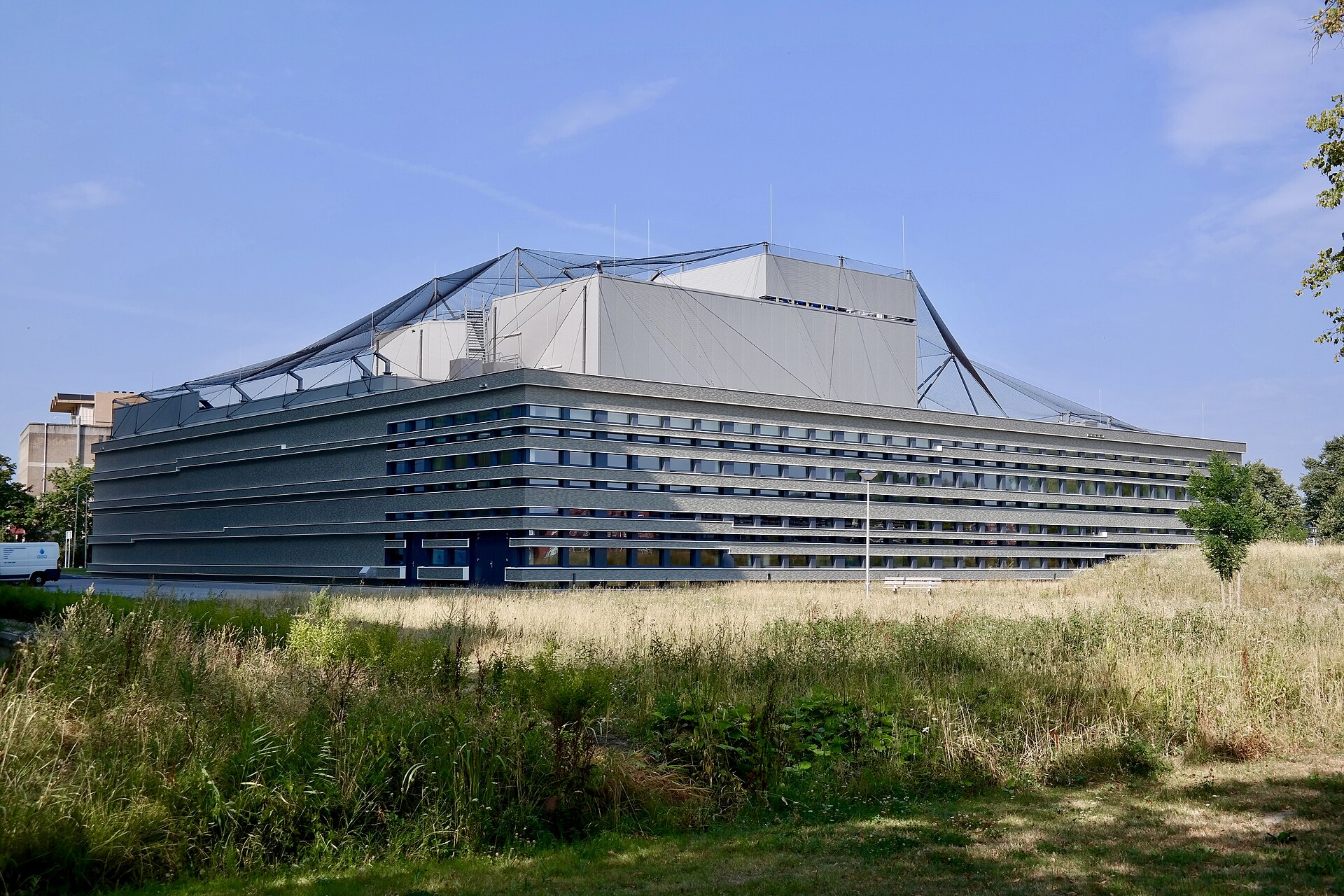
A practical guide to proton therapy, Bragg peak physics, NHS and global access, engineering challenges, FLASH research, and future cancer care. Proton therapy is often described through its physics, but the real story also includes buildings, beamlines, staffing, commissioning, cost, and careful patient selection.
Proton therapy has a rare quality in healthcare technology: the physics is genuinely elegant, but the real-world delivery is brutally complex. The promise is simple. Protons can deposit most of their energy at a chosen depth, then stop. This can reduce dose beyond the tumour compared with conventional photon radiotherapy in selected cases.
The reality is more nuanced. Proton therapy is expensive, technically demanding, and not automatically better for every cancer. Its future depends on better evidence, smarter planning, robust engineering, and fair access.
The Bragg Peak in Plain Language
Photons pass through the body, depositing dose along the way and continuing beyond the target. Protons behave differently. They slow down as they travel through tissue and deposit a large portion of their energy near the end of their path. This is called the Bragg peak.
By adjusting proton energy, clinicians can place the dose peak at different depths. By combining energies, they create a spread-out Bragg peak that covers the tumour volume.
Why This Matters
Proton therapy is attractive when reducing dose to healthy tissue could meaningfully reduce side effects, especially near sensitive organs or in children whose developing tissues are more vulnerable.
Where Proton Therapy Can Be Especially Valuable
Proton therapy may be considered for selected paediatric cancers, base of skull tumours, spinal tumours, some head and neck cases, re-irradiation cases, and tumours near critical structures. Suitability depends on tumour type, anatomy, previous treatment, clinical evidence, and local commissioning criteria.
In England, NHS high-energy proton beam therapy is delivered through specialist centres at The Christie NHS Foundation Trust in Manchester and University College London Hospitals NHS Foundation Trust in London, with patient selection guided by national clinical commissioning policies. Globally, access varies widely because the technology requires major capital investment and specialist staffing.
The Engineering Scale Is Different
A conventional LINAC is complex. A proton therapy centre is another level of infrastructure. It may involve a cyclotron or synchrotron, beam transport lines, magnets, energy selection systems, gantries, nozzles, imaging, patient positioning, safety systems, shielding, cooling, power, and highly specialised controls.
The treatment room is only the visible end. Behind it is an accelerator facility.
Engineer’s Insight
Proton therapy is not just "a better beam." It is a hospital-grade particle accelerator service. Reliability depends on accelerator physics, mechanical systems, controls, utilities, radiation safety, imaging, and clinical workflow all working together.
Pencil Beam Scanning and Treatment Precision
Modern proton therapy often uses pencil beam scanning. Instead of shaping a broad passive beam, the system magnetically scans a narrow proton beam spot by spot through the target. This allows intensity-modulated proton therapy, where dose can be shaped very precisely.
The challenge is motion. If the tumour or organs move during delivery, the scanning pattern and anatomy can interact in ways that affect dose. This is especially important in lung, liver, and abdominal treatments. Motion management, repainting, gating, robust optimisation, and image guidance are critical.
Uncertainty Is a Big Deal
Protons stop at a depth determined by tissue properties. That means range uncertainty matters. If anatomy changes, if gas pockets move, if a patient loses weight, or if CT numbers are uncertain, the proton range can shift.
Photon plans also care about anatomy, but proton plans can be more sensitive to changes along the beam path. This is why robust planning and adaptive strategies are important.
Real World Scenario
A head and neck proton patient loses weight during treatment. The mask fit changes and air gaps appear. The team reviews repeat imaging because the proton beam path may no longer match the original plan with enough confidence. The technology is advanced, but the trigger is very human: the patient changed during treatment.
FLASH Radiotherapy and Research Excitement
FLASH radiotherapy is an area of intense research. It involves delivering radiation at ultra-high dose rates, with the possibility of sparing normal tissue while maintaining tumour control. Proton systems are one platform being explored for FLASH because of their beam properties and delivery capabilities.
This is exciting, but students should be careful. FLASH is not routine standard treatment for most patients in 2026. It remains an active research and clinical translation area, with important questions around dosimetry, delivery, biology, safety, and trial evidence.
Access and Equity
The future of proton therapy is not only technical. It is ethical and operational. Who gets access? How are referrals decided? How do countries avoid building expensive centres without enough appropriate patients? How do services support children and families who must travel?
For publicly funded and international cancer systems, proton therapy must be integrated into cancer pathways rather than treated as a prestige technology.
Commissioning a Proton Service Is a Major Project
Bringing a proton centre into clinical service is not like installing a single piece of ward equipment. The project includes building design, shielding, accelerator installation, beamline commissioning, treatment planning configuration, imaging integration, emergency procedures, staffing, QA equipment, regulatory requirements, and clinical pathway development.
Commissioning can take a long time because every treatment room, beam energy, imaging system, and safety system must be characterised. Medical physicists and engineers work through detailed measurements so the clinical team can trust the dose calculation and delivery chain.
Maintenance and Uptime Challenges
Proton therapy centres need specialist maintenance strategies. A fault in the accelerator may affect multiple rooms. Beamline components may require careful access controls. Magnets, vacuum systems, cooling, power supplies, patient positioning, and control software all need expert support.
Downtime can be especially disruptive because patients may have travelled long distances to reach the centre. This makes spare parts, vendor support, local engineering skill, and realistic contingency planning essential.
Comparing Proton and Photon Decisions
One of the most important future skills will be knowing when protons offer enough benefit over photons. Modern photon radiotherapy is already highly capable. VMAT, SABR, image guidance, and adaptive techniques can produce excellent plans for many patients.
Proton therapy should be chosen when the expected reduction in normal tissue dose is clinically meaningful. This may involve plan comparison, toxicity modelling, previous treatment history, patient age, and tumour location. A sound decision is not "newest technology wins." It is "appropriate risk-benefit balance for this patient."
The Patient Journey Can Be Harder
Accessing proton therapy may require travel to a specialist centre, especially in countries with only a small number of facilities. For paediatric patients, families may need accommodation, schooling support, financial help, and emotional support while treatment continues over several weeks.
This matters because advanced treatment is not only a beam choice. It is a lived pathway. A technically ideal plan still has to fit around a patient and family. Referral systems, communication between local and specialist centres, and supportive services are part of making proton therapy work fairly.
What Students Should Watch in This Field
Students interested in proton therapy should follow several areas: compact accelerator development, adaptive planning, motion management, proton arc therapy research, FLASH trials, range verification, and imaging improvements. But they should also follow health economics and access policy.
The future will need engineers and scientists who can understand the accelerator, the treatment plan, and the commissioning argument. Proton therapy is a perfect example of why healthcare technology is never only about technical possibility.
Engineering Culture in Particle Therapy
Particle therapy centres need a strong engineering culture because the equipment is too complex for informal habits. Access control, radiation safety, lockout procedures, controlled changes, component traceability, and detailed service records matter every day.
The accelerator may involve high voltages, magnetic fields, vacuum systems, activated components, heavy mechanical structures, and tightly controlled beam delivery. Engineers must respect both industrial safety and clinical safety. A repair that restores beam availability is not enough if it bypasses procedure or leaves uncertainty in the treatment chain.
This is where proton therapy teaches a wider lesson: advanced medicine depends on disciplined engineering behaviour. The more powerful the technology, the more mature the safety culture needs to be.
AI and Adaptive Proton Therapy
AI may support proton therapy through contouring, robust planning, dose prediction, image registration, plan adaptation, and workflow triage. Adaptive proton therapy could become especially important because proton dose distributions are sensitive to anatomy changes.
However, AI tools must be validated carefully. In proton therapy, a small anatomical misunderstanding can affect range and dose in clinically meaningful ways.
Future Trends
Expect continued work on:
- Compact proton systems.
- Better image guidance.
- Adaptive proton workflows.
- Motion management for scanned beams.
- FLASH research.
- Combined proton and photon decision support.
- More outcome data to identify who benefits most.
The future is not proton therapy for everyone. It is the right advanced treatment for the right patient at the right time.
For learners, that is the most important message. Advanced cancer treatment is not a race to use the most impressive machine. It is a careful decision about clinical benefit, side effects, evidence, access, and reliability. Proton therapy is most useful where those decisions stay honest.
FAQs
Is proton therapy better than photon radiotherapy?
Not always. It can reduce dose to healthy tissue in selected cases, but benefit depends on cancer type, anatomy, evidence, and clinical goals.
Why is proton therapy expensive?
It requires particle accelerator infrastructure, shielding, specialised engineering, advanced controls, and highly trained multidisciplinary teams.
Is FLASH radiotherapy available to patients now?
FLASH remains mostly investigational in 2026, with ongoing research and clinical translation. It should not be presented as routine care for most patients.
Key Takeaways
- Proton therapy uses the Bragg peak to reduce exit dose in selected cases.
- Engineering complexity is much higher than standard LINAC radiotherapy.
- Range uncertainty, motion, and anatomy changes are major challenges.
- Future progress depends on evidence, access, AI, adaptive workflows, and research.
- Proton therapy is powerful, but patient selection is everything.
Conclusion
Proton therapy represents one of the most advanced intersections of physics, engineering, and cancer care. Its future will not be defined by hype. It will be defined by careful selection, reliable systems, honest evidence, and teams who understand both the beamline and the patient waiting on the couch.
Useful Sources
- NHS proton beam therapy: https://www.england.nhs.uk/commissioning/spec-services/highly-spec-services/pbt/
- The Christie NHS proton beam therapy centre: https://www.christie.nhs.uk/patients-and-visitors/services/proton-beam-therapy
- University College London Hospitals proton beam therapy: https://www.uclh.nhs.uk/our-services/find-service/cancer-services/proton-beam-therapy
- National Association for Proton Therapy: https://www.proton-therapy.org/
- Particle Therapy Co-Operative Group: https://www.ptcog.site/
- IAEA particle therapy resources: https://www.iaea.org/
Related GoBioEng Reading
Varian LINAC Student Guide | Radiotherapy Engineering Career Path | Infusion Pump Engineering Guide